Elevating Cooperation and Participation through Well-Integrated Virtual Presence Technologies in Meeting Spaces
Wiki Article
Telepresence platforms have transformed the way organizations manage discussions and group activities. Contemporary platforms permit team members to interact effectively across multiple offices, overcoming geographical barriers that historically limited team interactions. High-quality audio and visual capabilities guarantees that conversations are not only heard but also clearly contextualized, which assists staff sustain attention and engagement. By integrating these solutions into discussion areas, companies can replicate face-to-face interactions, creating remote collaboration more seamless. Additionally, solutions regularly provide features such as document sharing, document annotation, and virtual whiteboards, which enhance the capability to work on joint initiatives in real-time.
The design of a discussion area has a important role in the performance of telepresence solutions. Proper visual setup, audio design, and layout of seats contribute to a more immersive digital meeting. For example, uniform lighting reduces visual distortion and clarifies visual output, while sound management prevent echoing and interference, enhancing audio quality. user-friendly seats and optimized room setups enable participants to maintain attention during extended meetings. These environmental considerations, combined with modern systems, build a environment that encourages collaborative involvement and continuous attention.
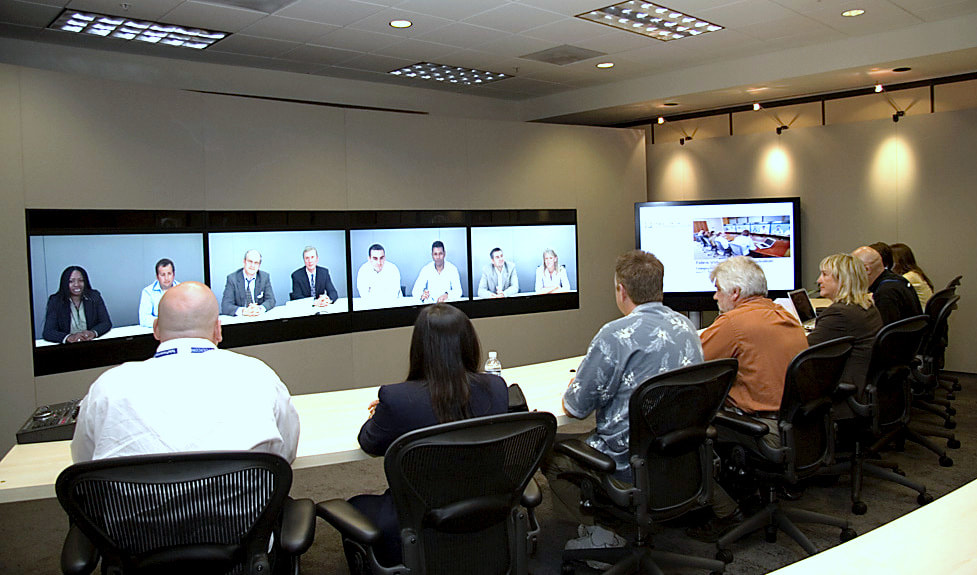
Efficient telepresence platforms depend on easy-to-use features and intuitive controls. When users can smoothly manage calls, switch between presentation modes, or share content without problems, meetings run more effectively. Support and support are important, as even the most sophisticated platforms will underperform if participants are unsure about their function. Organizations often develop guidelines for virtual sessions, defining optimal procedures for initiating calls, sharing content, and promoting participation from all team members. These procedures promote consistent engagement and minimize disruptions during group discussions.
Integration with other digital tools further strengthens telepresence solutions in conference rooms. For example, linking systems with workflow platforms, digital repositories, or communication applications enables groups to access resources quickly and update information in real time. Interactive functions like joint a great post work areas, real-time feedback, and real-time communication support active involvement, guaranteeing that remote and local team members engage equally in projects. These integrations enhance workflow efficiency, minimize delays, and keep teams synchronized among staff, irrespective of their office.
Finally, businesses that implement effective platforms gain tangible benefits in both teamwork and engagement. Staff demonstrate higher satisfaction levels, accelerated problem-solving, and enhanced results when connection is smooth and inclusive. Through combining advanced technology, strategic room layouts, easy-to-use interfaces, and connected tools, companies establish an setting where participants remain involved, informed, and ready More from the author to engage. Over time, these enhancements result in stronger team cohesion, increased creativity, and a more productive organizational culture in total.