Key Components when Creating an High-Performance Commercial Sound Distribution Setup
Wiki Article
Creating an impactful commercial audio distribution system is crucial for any company that depends on sound to elevate the consumer experience. This system empowers organizations to transmit music, announcements, and other audio content to multiple areas within a facility. Key elements in developing a effective audio distribution system include an understanding of sound quality, appropriate equipment selection, strategic layout planning, and consistent maintenance practices. These aspects work together to ensure that the audio system supports the distinct needs of the space and the audience.
Sound quality is one of the most critical aspects of an audio delivery system. Superior sound elevates the listening experience for patrons and can establish a pleasant atmosphere. Aspects such as speaker configurations, power amplifiers, and acoustics all contribute in delivering clear and even sound. Companies should prioritize purchasing high-performance speakers that are well-suited for their space. For example, open venues might benefit from all-weather speakers, while hallways may benefit from distributed audio systems. Guaranteeing that all elements are suitable and seamlessly connected is essential for peak performance.
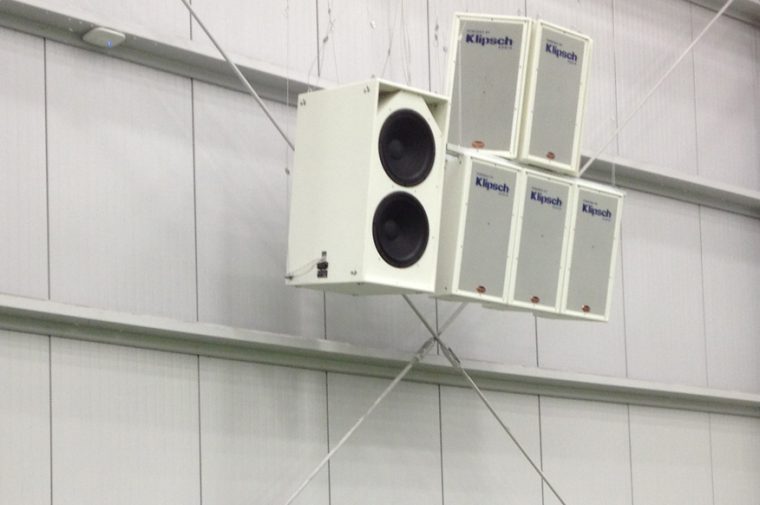
The picking of audio equipment takes a important role in the capability of the broadcast. This includes deciding on the right mixers, power amplifiers, and sound sources. Enterprises should evaluate their defined audio demands before making investments. For instance, a shop might utilize different solutions than a restaurant or meeting venue. Additionally, incorporating advanced systems can improve performance. Digital platforms that support remote control or connection with smart controls can offer efficiency in controlling audio streams find out this here and sound intensity throughout separate sections.
Mapping out the layout of the audio delivery system is another key component. A professionally structured design secures that sound is properly spread across all zones without any sound voids or excessive noise in certain sections. This demands careful positioning of speakers and assessment of how sound behaves in each setting. Considerations such as room size, structure, and decor can change audio clarity. Implementing an acoustic analysis can guide find the best placements for speakers to ensure clear sound reach throughout the venue.
In conclusion, scheduled care is vital to ensure an audio broadcast system performing effectively. System upkeep entails ongoing reviews on equipment performance, resolving any malfunctions as soon as possible, and updating firmware when required. Instructing personnel on how to handle the system properly can also reduce frequent check issues and increase the operational life of the technology. By prioritizing regular upkeep, companies can maintain superior audio quality and prevent interruptions that could affect the audience perception.
Overall, building an high-quality corporate audio sound system demands strategic planning of acoustics, device configuration, system mapping, and regular upkeep. When these components are addressed thoughtfully, facilities can transform their venue with immersive audio performance for their guests. Adopting a professionally planned audio system not only improves connectivity but also establishes a pleasant ambiance that can boost customer experience.